
Exploring the best skylight options for kitchens, this guide dives into the various types, installation considerations, materials, finishes, and accessories to help you make an informed decision for your kitchen space.
Skylight Types
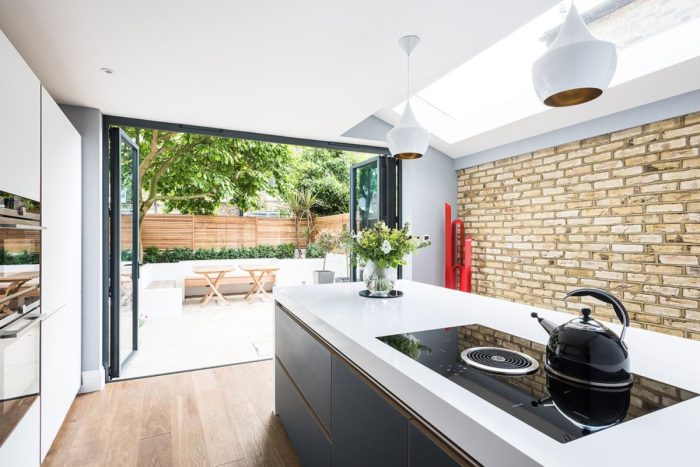
Skylights are a popular choice for adding natural light to kitchens, creating a brighter and more inviting space. There are several types of skylights to choose from, each with its own set of pros and cons.
Fixed Skylights
Fixed skylights are stationary and cannot be opened. They are a cost-effective option and provide a consistent source of natural light. However, they do not offer ventilation and may not be suitable for all kitchen layouts. Popular fixed skylight designs for kitchens include square or rectangular shapes.
Ventilating Skylights
Ventilating skylights can be opened to allow for fresh air circulation in the kitchen. They help to reduce cooking odors and improve air quality. On the downside, they tend to be more expensive than fixed skylights and may require additional maintenance.
Common designs include hinged or crank-operated skylights.
Tubular Skylights
Tubular skylights are smaller in size and are ideal for kitchens with limited ceiling space. They use reflective tubes to capture and distribute natural light throughout the space. While they are energy-efficient and cost-effective, tubular skylights may not provide as much natural light as larger skylight options.
Popular tubular skylight designs for kitchens include round or oval shapes.
Skylight Windows
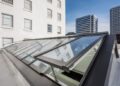
Skylight windows are larger than traditional skylights and often serve as a focal point in the kitchen. They offer expansive views of the sky and bring in a significant amount of natural light. However, skylight windows can be more expensive to install and may require additional structural support.
Common designs include pyramid, dome, or ridge skylights.
Installation Considerations
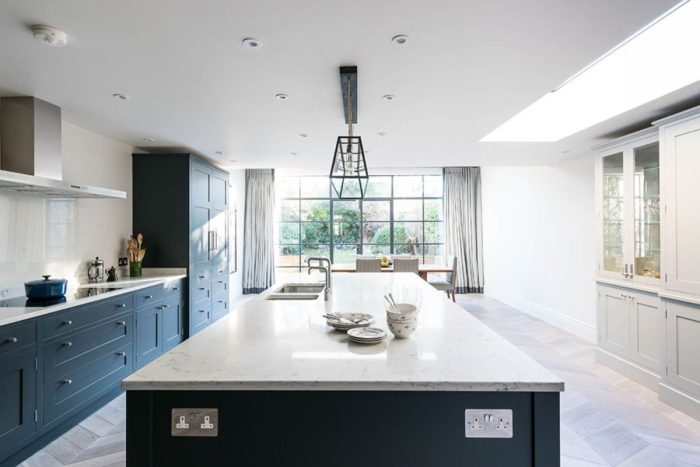
When it comes to installing skylights in kitchens, there are several important factors to consider. The positioning of skylights plays a crucial role in the overall aesthetics of the kitchen, while maximizing energy efficiency is essential for sustainability. Here, we provide a step-by-step guide for a DIY skylight installation in a kitchen.
Positioning of Skylights
The positioning of skylights in a kitchen can greatly impact the overall look and feel of the space. Placing skylights strategically can enhance natural lighting, create a sense of openness, and even highlight specific areas such as a kitchen island or dining area.
Consider the direction of sunlight throughout the day to determine the best placement for optimal lighting and aesthetic appeal.
Maximizing Energy Efficiency
To maximize energy efficiency with skylights in kitchen spaces, consider factors such as glazing options, ventilation, and shading. Opt for energy-efficient glazing materials to reduce heat loss in the winter and minimize heat gain in the summer. Additionally, proper ventilation can help regulate indoor temperatures and improve air quality.
Installing shades or blinds can also control the amount of sunlight entering the kitchen, reducing the need for artificial lighting.
DIY Skylight Installation Guide
- Determine the ideal location for the skylight based on the kitchen layout and natural light sources.
- Measure the dimensions of the skylight opening and mark the area on the ceiling.
- Cut an opening in the ceiling using appropriate tools, following manufacturer instructions.
- Install the skylight frame securely in place, ensuring it is level and waterproof.
- Attach the skylight pane to the frame, sealing the edges to prevent leaks.
- Test the skylight for proper functioning and make any necessary adjustments.
Materials and Finishes
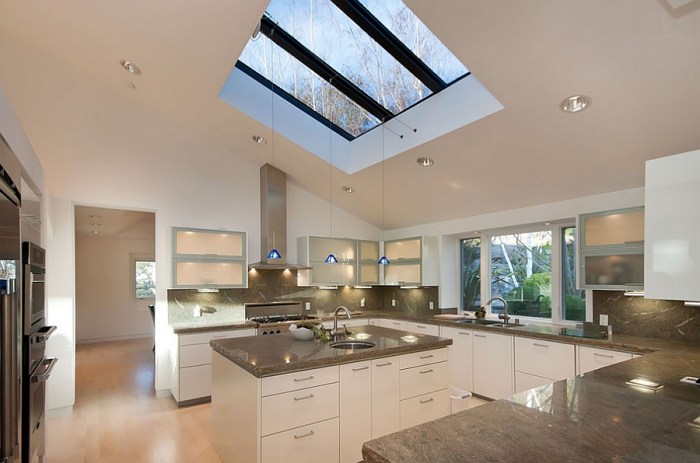
When it comes to choosing the right materials and finishes for kitchen skylights, it's essential to consider not only the aesthetic appeal but also the durability and maintenance requirements. Different materials and finishes can significantly impact the overall look and functionality of your skylight, so let's explore some key factors to help you make an informed decision.
Materials Used in Skylight Construction
- Glass: Glass skylights are popular for their transparency and ability to let in natural light. They come in various types, such as tempered, laminated, or insulated glass, offering different levels of insulation and safety.
- Acrylic: Acrylic skylights are lightweight and shatter-resistant, making them a safer option in areas prone to impact. They are also known for their energy efficiency and UV protection properties.
- Polycarbonate: Polycarbonate skylights are durable and impact-resistant, making them ideal for areas with harsh weather conditions. They offer excellent thermal insulation and UV protection.
- Metal: Metal skylights, such as aluminum or steel frames, provide a sleek and modern look. They are known for their strength and longevity, but they can be prone to corrosion if not properly maintained.
Finishes for Different Kitchen Styles
- Minimalist Style: For a minimalist kitchen, opt for sleek and clean finishes like clear glass or aluminum frames to maintain a simple and uncluttered look.
- Rustic Style: Choose wood-framed skylights with a natural finish to complement a rustic kitchen design and add warmth and texture to the space.
- Modern Style: Consider black metal frames or frosted glass finishes for a modern kitchen aesthetic, adding a touch of sophistication and contemporary flair.
- Traditional Style: Opt for traditional materials like stained glass or brass frames to enhance the classic charm of a traditional kitchen setting.
Maintenance Requirements
- Glass: Regular cleaning with a mild detergent and water is usually sufficient to maintain the clarity of glass skylights. Inspect for any cracks or leaks periodically.
- Acrylic and Polycarbonate: Clean with a non-abrasive cleaner and soft cloth to avoid scratching the surface. Check for any signs of yellowing or brittleness over time.
- Metal: Wipe metal frames with a damp cloth and mild soap to prevent corrosion. Apply a protective coating if needed to maintain the finish and prevent rust.
Recommendations
- For a versatile and durable option, consider tempered glass skylights with aluminum frames.
- If you prefer a lightweight and impact-resistant choice, acrylic skylights with wood finishes can add a touch of warmth to your kitchen.
- For a modern and sleek look, polycarbonate skylights with black metal frames are a stylish choice that offers excellent insulation properties.
Skylight Accessories
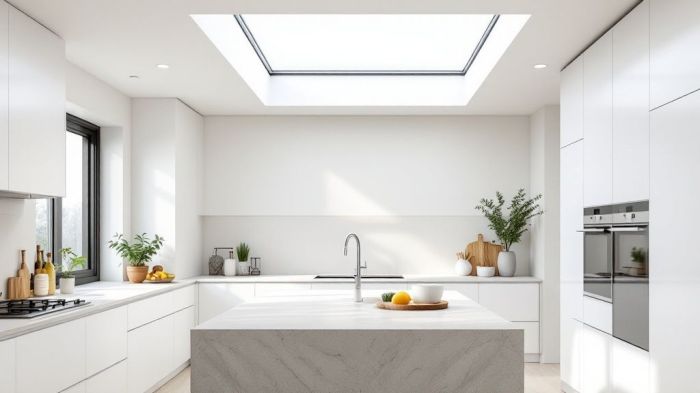
When it comes to kitchen skylights, accessories play a crucial role in enhancing both functionality and convenience. From blinds and shades to remote controls, these accessories can greatly impact the atmosphere and usability of the space.
Blinds and Shades
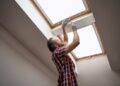
Blinds and shades are popular accessories for skylights as they provide control over natural light and privacy. In a kitchen setting, adjustable blinds can help regulate the amount of sunlight entering the space, preventing glare on countertops or screens. Additionally, blackout shades can be useful for blocking out light during specific times of the day, such as when cooking or dining.
Remote Controls
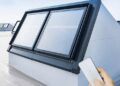
Remote controls for skylights offer a convenient way to adjust lighting and ventilation without the need for manual operation. In a busy kitchen environment, being able to open or close skylights with the touch of a button can make a significant difference in air circulation and temperature control.
Some remote controls even come with programmable settings, allowing users to schedule automatic adjustments throughout the day.
Incorporating Accessories into Design
When designing a kitchen with skylights, consider integrating accessories seamlessly into the overall aesthetic. For example, choosing blinds or shades in complementary colors or textures can enhance the visual appeal of the space while maintaining functionality. Additionally, opting for motorized blinds or remote-controlled shades can add a touch of modernity to the kitchen design.
Latest Trends in Skylight Accessories
One of the latest trends in skylight accessories for kitchens is the integration of smart technology. This includes sensors that automatically adjust blinds or shades based on sunlight intensity or temperature, as well as voice-controlled options for hands-free operation. Additionally, eco-friendly materials and energy-efficient designs are becoming more prevalent, offering sustainable solutions for kitchen skylights.
Closing Notes
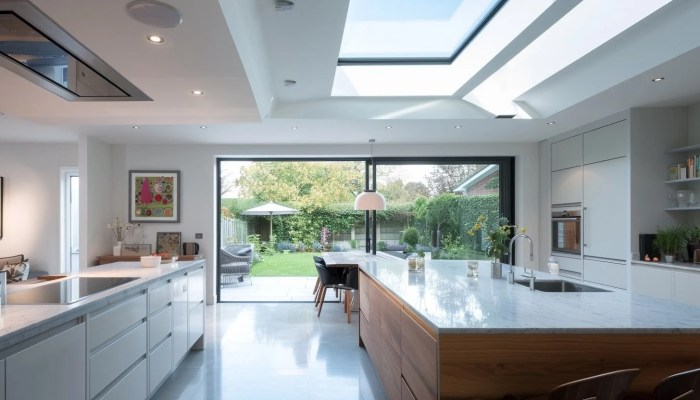
In conclusion, choosing the right skylight for your kitchen can significantly impact the overall aesthetics, natural lighting, and energy efficiency of the space. With the information provided, you are now equipped to select the best skylight option that suits your needs and enhances your kitchen experience.
FAQ Guide
What are the best types of skylights for kitchens?
There are various types such as fixed, ventilating, tubular, and custom skylights. Each type has its own advantages and considerations.
How can skylight positioning impact the aesthetics of a kitchen?
The positioning of skylights can affect the distribution of natural light, the visual appeal, and the overall ambiance of the kitchen.
What materials are recommended for kitchen skylights?
Materials like glass, acrylic, and polycarbonate are popular choices for skylights due to their durability and light-transmitting properties.
Do skylight accessories like blinds or shades add value to kitchen skylights?
Accessories like blinds or shades can enhance functionality, privacy, and light control in kitchen spaces with skylights.
What are some energy-efficient tips for using skylights in kitchens?
Consider using double-glazed or low-emissivity glass for better insulation and energy efficiency with skylights in kitchens.