
Best high efficiency roof options set the stage for this enthralling narrative, offering readers a glimpse into a story that is rich in detail and brimming with originality from the outset.
As we delve into the world of high efficiency roofing materials, design features, installation techniques, and maintenance practices, a wealth of information awaits to guide you towards making the best choices for your roofing needs.
Types of High Efficiency Roofing Materials
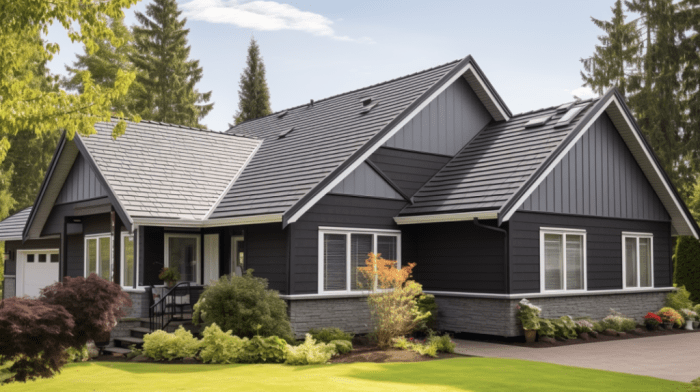
When it comes to high efficiency roofing materials, there are several options available in the market. Each material offers unique benefits in terms of energy efficiency and durability, making it essential to consider the cost-effectiveness of each option before making a decision.
Solar Tiles
Solar tiles are an innovative roofing material that integrates solar technology directly into the roof. These tiles are designed to generate electricity from sunlight, offering a sustainable and energy-efficient solution for homeowners. While the initial cost of solar tiles may be higher compared to traditional roofing materials, the long-term savings on energy bills and potential tax incentives make them a cost-effective choice in the long run.
Metal Roofing
Metal roofing is known for its durability and energy efficiency. This type of roofing material reflects solar heat, reducing the need for air conditioning during hot summer months. Additionally, metal roofs are long-lasting and require minimal maintenance, making them a sustainable and cost-effective option for homeowners looking to improve energy efficiency.
Green Roofs
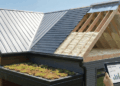
Green roofs are becoming increasingly popular as a high efficiency roofing option. These roofs are covered with vegetation, providing natural insulation and reducing energy costs. Green roofs also help mitigate urban heat island effects and improve air quality. While the initial cost of installing a green roof may be higher, the long-term benefits in terms of energy savings and environmental impact make it a valuable investment for eco-conscious homeowners.
Clay Tiles
Clay tiles are a traditional roofing material that offers excellent energy efficiency and durability. These tiles are known for their natural insulation properties, keeping homes cool in the summer and warm in the winter. While clay tiles may require occasional maintenance, their longevity and energy-saving benefits make them a cost-effective choice for homeowners looking for a reliable high efficiency roofing option.
Design Features for High Efficiency Roofs
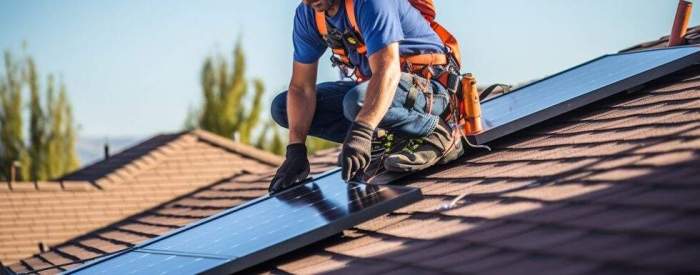
When it comes to maximizing energy efficiency in roofing, certain design features play a crucial role. Factors such as insulation, color, and ventilation can significantly impact the overall efficiency of a roof, ultimately leading to reduced energy consumption and lower utility bills.
Insulation
Proper insulation is key to maintaining a high level of energy efficiency in a roof. Insulation helps regulate the temperature inside the building by preventing heat loss in the winter and heat gain in the summer. By minimizing the transfer of heat through the roof, insulation can reduce the need for heating and cooling, resulting in lower energy costs.
Color
The color of a roof can also impact its energy efficiency. Light-colored roofs reflect more sunlight, reducing heat absorption and keeping the interior of the building cooler. On the other hand, dark-colored roofs absorb more heat, which can lead to increased cooling costs.
Choosing the right color for a roof based on the climate and location can help improve energy efficiency.
Ventilation
Proper ventilation is essential for maintaining the longevity and efficiency of a roof. Good ventilation helps prevent moisture buildup, which can lead to mold growth and structural damage. It also helps regulate the temperature in the attic, reducing the strain on HVAC systems and improving overall energy efficiency.
Innovative Design Solutions
There are several innovative design solutions available to maximize energy efficiency in roofing. For example, green roofs with living vegetation can provide natural insulation and reduce heat absorption. Cool roofs made of reflective materials can help lower cooling costs by reflecting sunlight.
Additionally, solar panels integrated into the roof can generate renewable energy and further reduce reliance on the grid.
Installation Techniques for High Efficiency Roofs
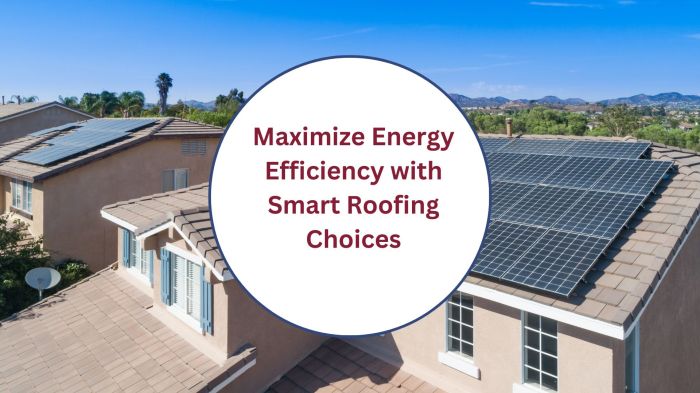
Proper installation is crucial when it comes to high efficiency roofs as it directly impacts the energy-saving capabilities of the building. By following best practices and addressing common challenges during installation, you can ensure that the roof performs optimally
Best Practices for Installing High Efficiency Roofing Materials
- Ensure the roof deck is properly prepared and cleaned before installing any high efficiency roofing materials.
- Follow manufacturer's guidelines and specifications for installation to ensure proper performance.
- Use high-quality sealing and flashing materials to prevent air leakage and water infiltration.
- Properly ventilate the roof to prevent moisture buildup and improve energy efficiency.
Importance of Proper Installation in Ensuring Energy Efficiency
Proper installation of high efficiency roofing materials is essential for maximizing energy savings and reducing utility costs. A well-installed roof can effectively insulate the building, minimize heat loss or gain, and create a comfortable indoor environment.
Addressing Common Challenges During Installation
- Ensure proper alignment and overlap of roofing materials to prevent gaps that can lead to leaks.
- Properly secure roofing materials to prevent wind uplift and damage during extreme weather conditions.
- Address any structural issues or repairs before installing high efficiency roofing materials to ensure longevity and performance.
- Work with experienced and qualified roofing professionals to handle complex installation tasks and ensure quality workmanship.
Maintenance and Longevity of High Efficiency Roofs
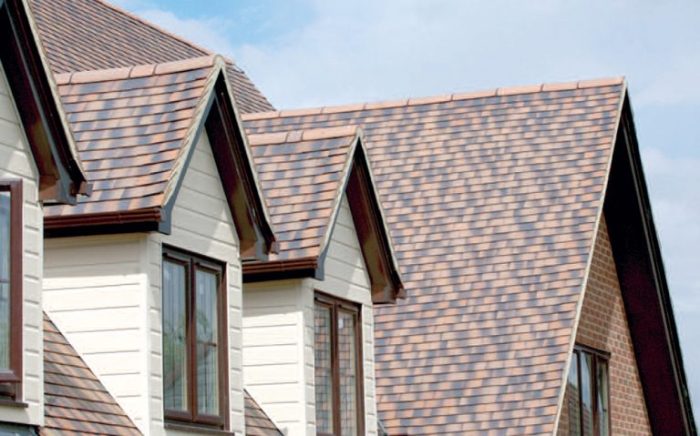
Proper maintenance plays a crucial role in enhancing the longevity of high efficiency roofs. By following the right practices, you can ensure that your roof continues to perform efficiently for years to come.Regular inspections are essential for identifying any issues early on and addressing them promptly.
This proactive approach can prevent minor problems from escalating into major issues that could compromise the energy efficiency of your roof. Moreover, scheduling routine maintenance checks can help you detect any signs of wear and tear before they become significant concerns.
Tips for Maintaining High Efficiency Roofs
- Clear debris and dirt regularly to prevent blockages and water pooling.
- Inspect the roof for any damage, such as cracks or loose shingles, and repair them promptly.
- Trim overhanging branches to prevent damage from falling limbs or leaves.
- Check for signs of leaks or water infiltration and address them immediately to prevent moisture damage.
Role of Regular Inspections and Repairs
Regular inspections and timely repairs are essential for preserving the energy efficiency of a roof. By addressing issues promptly, you can ensure that your high efficiency roof continues to perform optimally, reducing energy consumption and maintaining a comfortable indoor environment.
Enhancing Longevity with Proper Maintenance Practices
- Invest in professional inspections at least once a year to catch any potential problems early.
- Follow manufacturer's guidelines for maintenance and cleaning to ensure proper care of your high efficiency roof.
- Consider applying protective coatings or sealants to prolong the lifespan of your roof and enhance its energy-saving capabilities.
- Keep records of maintenance activities and repairs to track the condition of your roof over time and address any recurring issues.
Summary
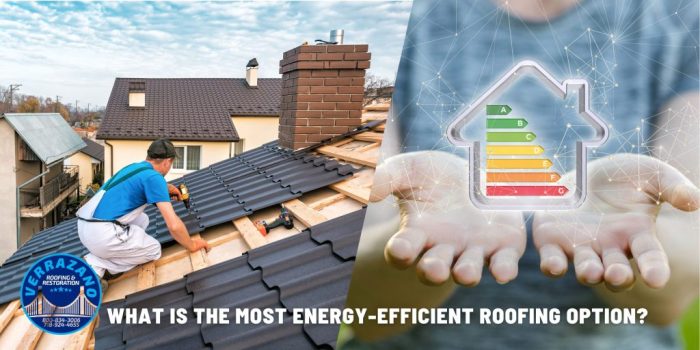
In conclusion, the realm of high efficiency roof options is vast and varied, providing homeowners with a range of choices to enhance energy efficiency and durability. By understanding the different materials, design features, installation techniques, and maintenance tips, you can ensure a long-lasting, eco-friendly roof that stands the test of time.
FAQ Resource
What are the most cost-effective high efficiency roofing materials?
Answer: Some of the most cost-effective high efficiency roofing materials include metal roofs, asphalt shingles, and clay tiles.
How do insulation and ventilation impact the energy efficiency of a roof?
Answer: Proper insulation and ventilation help regulate temperature and reduce energy consumption by maintaining a comfortable indoor environment.
What are some common challenges during the installation of high efficiency roofs?
Answer: Common challenges include ensuring proper sealing, integrating with existing structures, and addressing compatibility issues with other roofing components.
How can regular inspections prolong the lifespan of high efficiency roofs?
Answer: Regular inspections help identify issues early on, allowing for timely repairs and maintenance to prevent further damage and extend the roof's longevity.