
Common roof insulation mistakes set the stage for this enthralling narrative, offering readers a glimpse into a story that is rich in detail and brimming with originality from the outset. In this guide, we will delve into the top 5 mistakes homeowners make when insulating their roofs, explore the impact of using incorrect insulation materials on energy efficiency, and discuss the consequences of improper roof insulation on indoor comfort levels.
Common Roof Insulation Mistakes
When it comes to insulating roofs, homeowners often make mistakes that can negatively impact energy efficiency and indoor comfort levels. Let's explore the top 5 common mistakes to avoid when insulating your roof.
Using Incorrect Insulation Materials
One of the biggest mistakes homeowners make is using the wrong type of insulation material for their roofs. This can lead to poor energy efficiency and increased utility bills. It's important to choose insulation materials that are appropriate for your climate and roof structure.
Improper Installation
Another common mistake is improper installation of insulation. If insulation is not installed correctly, it can create gaps and air leaks, reducing its effectiveness. This can result in drafts, temperature fluctuations, and higher energy consumption.
Insufficient Insulation
Insufficient insulation is a common mistake that can lead to heat loss in winter and heat gain in summer. This can make your home uncomfortable and increase your reliance on heating and cooling systems, leading to higher energy costs.
Ignoring Ventilation
Improper ventilation in the attic can also impact the performance of roof insulation. Without proper ventilation, moisture can build up, leading to mold growth and decreased insulation efficiency. It's important to ensure proper airflow to maintain the effectiveness of insulation.
Not Addressing Air Leaks
Air leaks in the roof can significantly reduce the efficiency of insulation. It's crucial to seal any gaps, cracks, or holes that allow air to escape or enter the roof space. Ignoring air leaks can result in energy loss and discomfort in your home.
Insulation Material Selection
When it comes to choosing the right insulation material for your roof, there are several factors to consider. The type of material, R-value, and environmental impact are all important aspects to think about. Let's delve into the various options available and their benefits.
Types of Insulation Materials
- Fiberglass Insulation: Made from glass fibers, this type of insulation is cost-effective and widely used. It provides good thermal performance and is easy to install.
- Spray Foam Insulation: This type of insulation expands to fill gaps and crevices, providing excellent air sealing properties. It has a high R-value per inch, making it very efficient.
- Cellulose Insulation: Made from recycled paper products, cellulose insulation is a sustainable option. It is treated with chemicals to make it fire-retardant and insect-resistant.
- Mineral Wool Insulation: This type of insulation is made from minerals like rock or slag. It is non-combustible and offers good soundproofing properties in addition to thermal insulation.
Importance of R-Value
The R-value of insulation measures its thermal resistance, indicating how well it can prevent heat transfer. Choosing the right R-value for your roof insulation is crucial to ensure energy efficiency and comfort in your home. A higher R-value means better insulation performance, so consider factors like climate and building codes when selecting the appropriate R-value for your roof.
Eco-Friendly Insulation Options
- Cotton Insulation: Made from recycled denim or cotton fibers, this type of insulation is environmentally friendly and safe to handle. It has good thermal performance and is free from harmful chemicals.
- Wool Insulation: Sheep's wool insulation is a natural and sustainable option that is biodegradable and renewable. It has excellent moisture-wicking properties and provides effective insulation.
- Cork Insulation: Cork is a renewable material harvested from the bark of cork oak trees. It is lightweight, fire-resistant, and has good thermal insulation properties. Cork insulation is also a great sound insulator.
Installation Errors
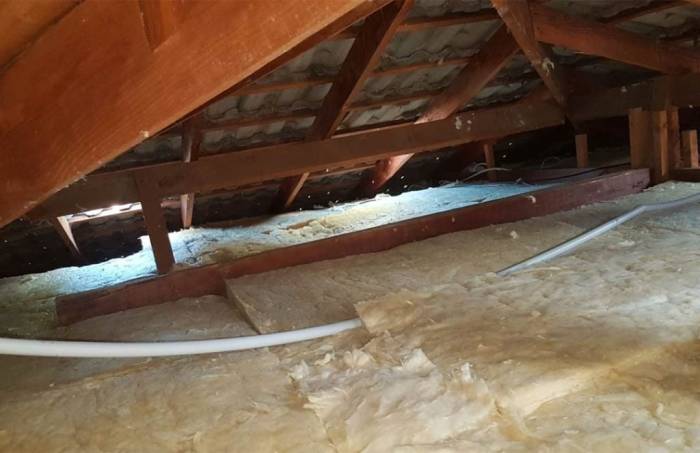
Proper installation of roof insulation is crucial for maximizing its effectiveness in maintaining a comfortable indoor temperature and reducing energy costs. Avoiding common installation mistakes is key to achieving optimal insulation performance.
Proper Installation Techniques
- For batt insulation, ensure a snug fit between the insulation and the roof rafters to prevent gaps that can allow heat transfer.
- When installing spray foam insulation, follow manufacturer instructions carefully to achieve the correct thickness and coverage for maximum efficiency.
- For rigid foam insulation, use appropriate adhesives or fasteners to secure the insulation in place and seal any gaps or joints to prevent air leakage.
Significance of Proper Ventilation
Proper ventilation is essential when installing roof insulation to prevent moisture buildup, which can lead to mold growth and structural damage. Adequate ventilation helps regulate humidity levels and ensures the longevity of both the insulation and the roof structure.
Common Mistakes and How to Avoid Them
- Neglecting to seal gaps or joints in insulation, leading to air leakage and reduced effectiveness.
- Installing insulation over existing moisture or mold issues without addressing the root cause first.
- Ignoring ventilation requirements, resulting in trapped moisture and potential damage over time.
Moisture Management
Proper moisture management is crucial when it comes to roof insulation. Moisture can significantly impact the effectiveness of insulation and even lead to structural damage if not managed correctly.
Role of Moisture Barriers
Moisture barriers are essential components in roof insulation systems as they prevent moisture from infiltrating the insulation material. They help maintain the integrity of the insulation and protect the underlying structure from damage caused by moisture buildup.
Preventing Moisture Buildup
- Ensure proper ventilation in the attic to allow moisture to escape.
- Seal any gaps or cracks in the roof to prevent water leaks.
- Install gutters and downspouts to direct water away from the roof.
- Use vapor barriers during insulation installation to prevent moisture from getting trapped.
- Regularly inspect the roof for any signs of water damage or leaks.
Impact of Moisture on Insulation
Moisture can reduce the thermal performance of insulation materials, making them less effective in regulating indoor temperatures. It can also promote the growth of mold and mildew, compromising indoor air quality and posing health risks to occupants. Additionally, moisture can cause structural damage to the roof and the building if left unchecked.
Last Recap
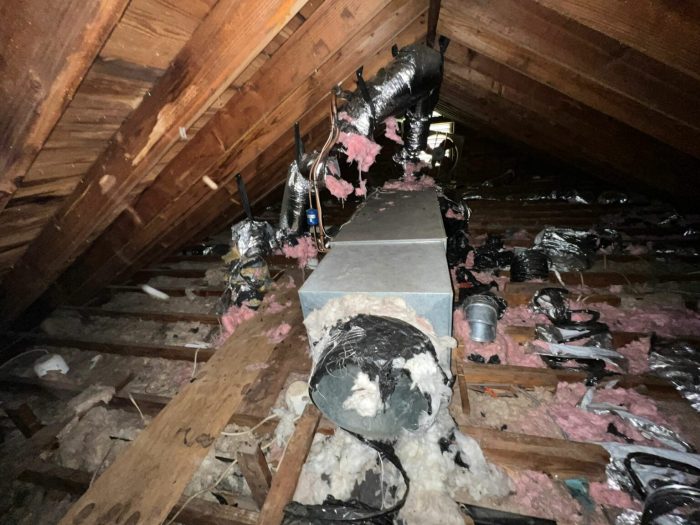
In conclusion, understanding and avoiding common roof insulation mistakes is crucial for maintaining a well-insulated and energy-efficient home. By implementing proper insulation techniques, choosing the right materials, and ensuring adequate ventilation, homeowners can create a comfortable living environment while saving on energy costs.
Clarifying Questions
What are the consequences of using incorrect insulation materials?
Using incorrect insulation materials can lead to reduced energy efficiency and increased energy costs, as the insulation may not effectively regulate indoor temperatures. It can also result in discomfort due to uneven heating or cooling in the home.
Why is proper ventilation important during roof insulation installation?
Proper ventilation helps prevent moisture buildup in the insulation, which can lead to mold growth and decreased effectiveness of the insulation. It also ensures that indoor air quality remains high.
How can homeowners prevent moisture buildup in insulated roofs?
Homeowners can prevent moisture buildup by installing proper vapor barriers, ensuring adequate ventilation, and addressing any leaks or sources of moisture in the roof. Regular inspections and maintenance can also help identify and mitigate moisture issues.