
Comparing energy efficient roofs delves into the world of sustainable roofing solutions, offering insights into the various types, materials, installation processes, costs, and environmental impacts. This guide aims to provide a detailed comparison that will help readers make informed decisions when considering energy-efficient roofing options.
Energy efficiency in roofing is not just a trend but a necessity in today's environmentally conscious world. By exploring the different aspects of energy-efficient roofs, we can better understand their significance and benefits for both homeowners and the environment.
Types of Energy Efficient Roofs
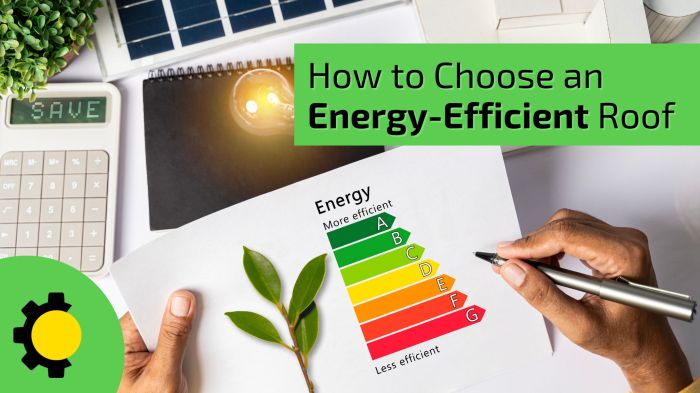
Energy efficient roofs come in various types, each offering unique features and benefits that cater to different needs and preferences. Let's explore some of the commonly used energy efficient roofs in the market:
Metal Roofs
Metal roofs are known for their durability and longevity. They are highly reflective, reducing heat absorption and keeping the building cool. This can result in lower energy costs for cooling. Metal roofs are commonly used in commercial buildings and residential homes in areas with hot climates.
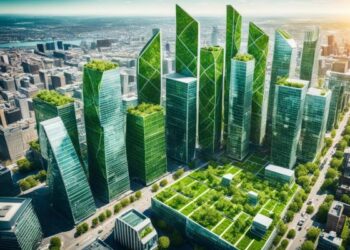
Green Roofs
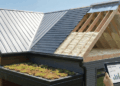
Green roofs are covered with vegetation, providing natural insulation and reducing the urban heat island effect. They can improve air quality, reduce stormwater runoff, and extend the lifespan of the roof. Green roofs are popular in urban settings and eco-friendly buildings aiming for sustainability.
Solar Roofs
Solar roofs are equipped with solar panels that harness sunlight to generate electricity. They are a sustainable energy solution, reducing reliance on traditional power sources and lowering electricity bills. Solar roofs are commonly installed in residential homes and commercial buildings looking to embrace renewable energy.
Cool Roofs
Cool roofs are designed to reflect sunlight and absorb less heat, keeping the building interior cooler. They can reduce energy consumption for cooling and improve indoor comfort. Cool roofs are often used in commercial buildings, industrial facilities, and residential homes in warm climates.
Tile Roofs
Tile roofs are energy efficient due to their thermal mass properties, providing insulation and reducing heat transfer. They come in a variety of materials such as clay, concrete, or slate, offering durability and aesthetic appeal. Tile roofs are popular in Mediterranean-style homes and historical buildings.
Materials Used in Energy Efficient Roofs
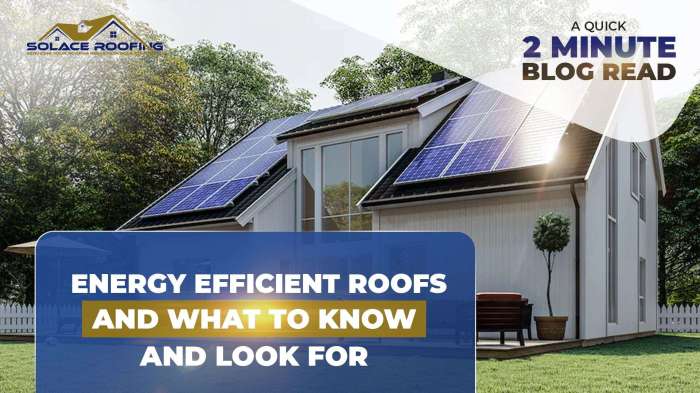
Energy efficient roofs can be constructed using a variety of materials that offer unique properties to help save energy and reduce utility costs. Let's explore some common materials used in energy efficient roofs and their benefits.
1. Metal Roofing
Metal roofing is a popular choice for energy efficient roofs due to its high reflectivity and durability. It helps in reducing heat gain by reflecting sunlight away from the building, keeping the interior cool. Additionally, metal roofs are long-lasting and require minimal maintenance, making them a cost-effective option in the long run.
2. Cool Roofs
Cool roofs are typically made of materials that have high solar reflectance and thermal emittance properties. These roofs can reflect sunlight and emit heat efficiently, reducing the need for air conditioning and lowering energy consumption. Cool roofs are available in various materials such as white membrane, tiles, and coatings, offering flexibility in design and performance.
3. Green Roofs
Green roofs consist of a layer of vegetation planted over a waterproofing membrane on the roof surface. They provide natural insulation, reduce stormwater runoff, and improve air quality. Green roofs can significantly lower indoor temperatures by absorbing heat and providing shade, reducing the need for mechanical cooling systems.
While green roofs may require more maintenance compared to traditional roofs, the environmental benefits they offer make them a sustainable choice for energy efficiency.
4. Solar Panels
Solar panels are not only a renewable energy source but also an energy-efficient roofing material. By harnessing solar energy to generate electricity, solar panels can help reduce reliance on the grid and lower energy bills. While the initial cost of installation may be higher, the long-term savings and environmental benefits make solar panels a worthwhile investment for energy-efficient roofs.
Installation Process of Energy Efficient Roofs
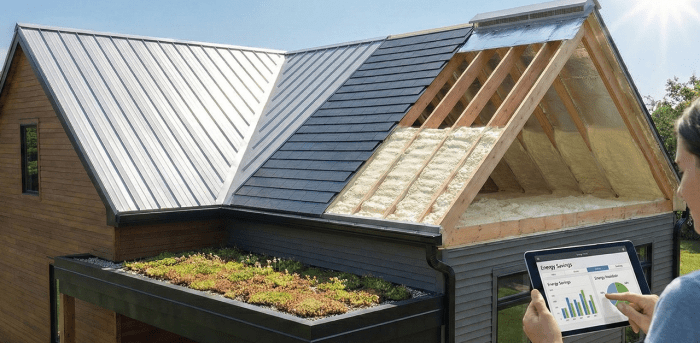
When it comes to installing energy efficient roofs, there are specific steps involved that differ from traditional roof installations. These steps are crucial in ensuring that the roof is not only energy efficient but also properly installed to maximize its benefits.
Steps Involved in Installing an Energy Efficient Roof
- 1. Assessment and Planning: The first step is to assess the current roof condition and plan the installation of the energy efficient roof. This includes determining the best materials and design for maximum energy efficiency.
- 2. Removal of Old Roofing: In most cases, the old roofing materials need to be removed before the energy efficient roof can be installed. This step ensures a clean and stable base for the new roof.
- 3. Installation of Insulation: Energy efficient roofs often include additional insulation to improve thermal performance. This insulation is installed between the roof structure and the outer covering.
- 4. Application of Energy Efficient Roofing Materials: Once the insulation is in place, the energy efficient roofing materials are installed according to the planned design. These materials can include cool roofs, green roofs, or solar panels.
- 5. Sealing and Finishing: The final step involves sealing the roof to prevent leaks and finishing touches to ensure the roof is both functional and aesthetically pleasing.
Comparison with Traditional Roofs
Installing energy efficient roofs requires additional steps such as insulation and specialized materials, unlike traditional roofs
Specialized Tools and Techniques
Energy efficient roof installations may require specialized tools such as roofing nail guns, insulation blowers, and solar panel mounting equipment. Techniques like proper sealing and installation of insulation are crucial for ensuring the roof's energy efficiency and durability.
Cost Comparison of Energy Efficient Roofs
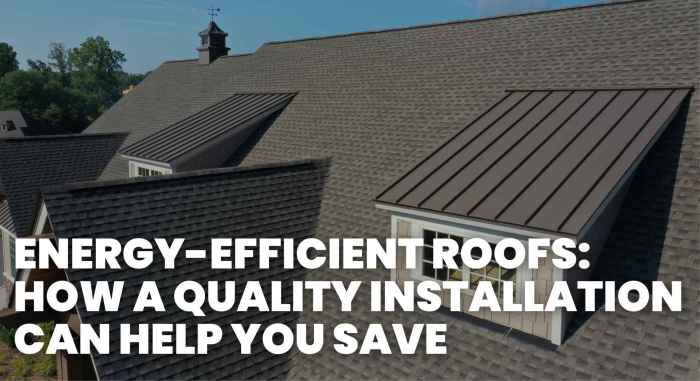
Energy efficient roofs may have a higher upfront cost compared to traditional roofing systems, but they offer significant long-term cost savings. Let's break down the cost factors associated with energy efficient roofs and analyze the return on investment for different types.
Cost Factors of Energy Efficient Roofs
When considering the cost of energy efficient roofs, several factors come into play:
- The initial cost of materials, which may be higher for energy efficient options such as solar panels or cool roofs.
- Installation costs, including labor and any additional equipment needed for specialized roofing systems.
- Maintenance and repair costs over the lifespan of the roof.
- Potential tax incentives, rebates, or other financial benefits that can offset the initial investment.
Long-Term Cost Savings
Despite the higher upfront costs, energy efficient roofs can result in significant long-term savings:
- Reduced energy bills due to improved insulation and energy efficiency.
- Extended lifespan of the roof, reducing the need for frequent replacements.
- Increased property value and potential resale value with an energy efficient roof.
Return on Investment Examples
Here are some examples of return on investment for different types of energy efficient roofs:
- Solar panel roofs may have a higher upfront cost but can pay for themselves over time through energy savings and potential incentives.
- Cool roofs, which reflect more sunlight and heat, can lower cooling costs and reduce the strain on HVAC systems, resulting in long-term savings.
- Green roofs, with vegetation that provides natural insulation, can reduce heating and cooling costs and improve air quality, offering a good return on investment.
Environmental Impact of Energy Efficient Roofs
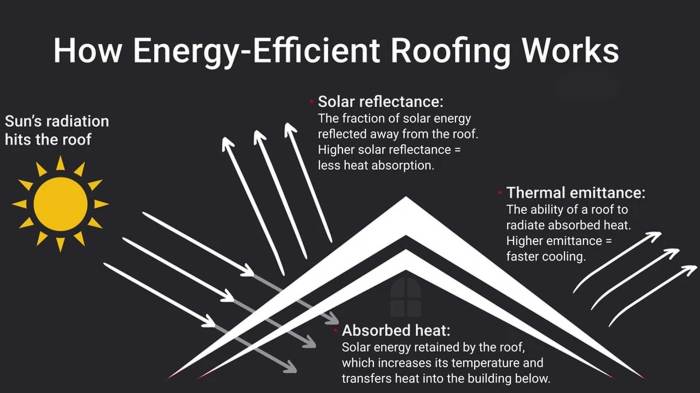
Energy efficient roofs play a crucial role in reducing the carbon footprint of buildings and promoting sustainability. By incorporating various eco-friendly features, these roofs help minimize energy consumption and greenhouse gas emissions. Let's delve deeper into how energy efficient roofs contribute to a greener environment.
Reducing Carbon Footprint
- Energy efficient roofs are designed to enhance insulation, reducing the need for excessive heating or cooling.
- By maintaining consistent indoor temperatures, these roofs lessen the reliance on HVAC systems powered by fossil fuels.
- Lower energy usage leads to decreased carbon dioxide emissions, thus playing a part in combating climate change.
Comparison with Conventional Roofs
- Conventional roofs often lack proper insulation, resulting in heat loss during winters and heat gain during summers.
- As a result, more energy is required to regulate indoor temperatures, leading to higher carbon emissions.
- Energy efficient roofs outperform conventional roofs by significantly reducing energy consumption and environmental impact.
Certifications and Standards
- Various certifications such as LEED (Leadership in Energy and Environmental Design) acknowledge buildings with energy efficient features, including roofs.
- LEED certification ensures that structures meet stringent criteria for sustainability, energy efficiency, and environmental responsibility.
- Other standards like Energy Star also recognize energy efficient products, promoting eco-friendly practices in construction.
Final Wrap-Up
In conclusion, comparing energy efficient roofs reveals a landscape of innovation and sustainability in the construction industry. By choosing the right energy-efficient roof, individuals can not only save on energy costs but also contribute to a greener future for generations to come.
Commonly Asked Questions
What are the most common types of energy efficient roofs?
Common types include cool roofs, green roofs, and solar roofs, each offering unique energy-saving benefits.
How do energy efficient roofs help reduce environmental impact?
Energy efficient roofs reduce heat absorption, lower energy consumption, and decrease carbon emissions, contributing to a greener environment.
Are energy efficient roofs more expensive than traditional roofs?
While initial costs may be higher, the long-term savings on energy bills make energy efficient roofs a cost-effective choice.
What certifications should I look for in energy efficient roofs?
Look for certifications like ENERGY STAR and LEED to ensure your roof meets high standards of energy efficiency and sustainability.