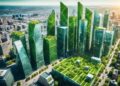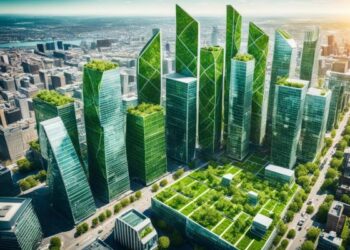

Delving into luxury green building USA, this introduction immerses readers in a unique and compelling narrative. Luxury green buildings combine elegance with environmental consciousness, setting a new standard for modern architecture in the USA.
As we journey through the world of luxury green building USA, we will uncover the innovative materials, energy-efficient technologies, and certification processes that define this growing trend in sustainable construction.
Overview of Luxury Green Buildings in the USA
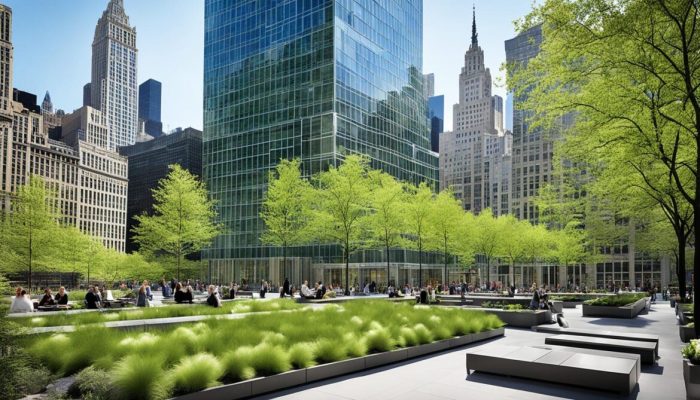
Luxury green buildings in the USA combine the elements of luxury and sustainability to create environmentally friendly and energy-efficient structures. These buildings are designed to minimize their carbon footprint and promote a healthier living environment for occupants.The significance of luxury green buildings in the USA lies in their contribution to reducing energy consumption, conserving natural resources, and decreasing harmful emissions.
By incorporating eco-friendly features and technologies, these buildings help combat climate change and support a more sustainable future.
Key Features of Luxury Green Buildings
- Energy-efficient design and appliances to reduce electricity consumption.
- Use of sustainable materials such as recycled wood, bamboo, and low-VOC paints.
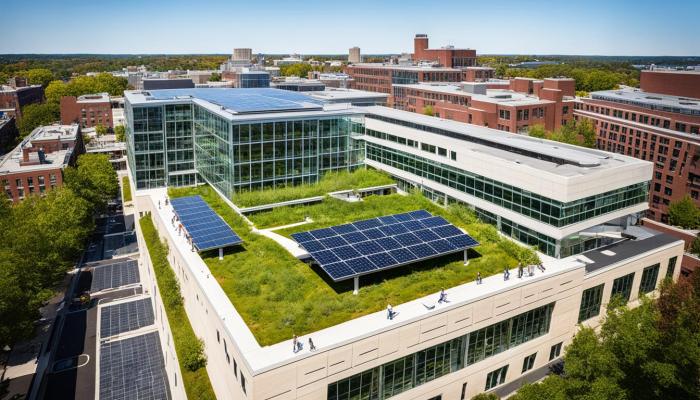
- Integration of green roofs and living walls to improve insulation and air quality.
- Implementation of water-saving fixtures and systems for efficient water use.
- Incorporation of renewable energy sources like solar panels to generate clean power.
- Smart building technologies for monitoring and optimizing energy usage.
- Certifications such as LEED (Leadership in Energy and Environmental Design) to verify sustainability standards.
Sustainable Materials and Design Elements
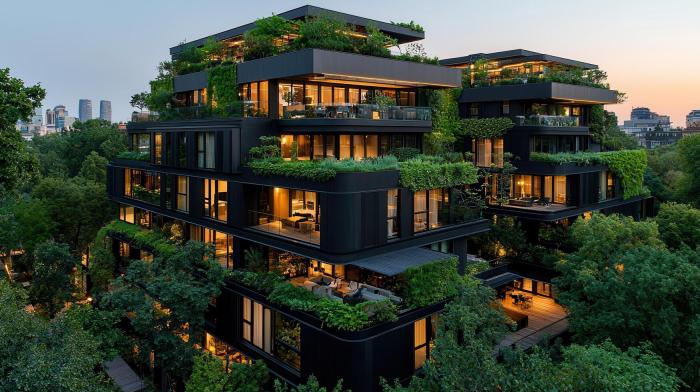
When it comes to luxury green buildings in the USA, sustainable materials and design elements play a crucial role in enhancing both luxury and sustainability. These elements not only contribute to a more eco-friendly environment but also offer a unique and luxurious living experience for residents.
Sustainable Materials
One of the key aspects of luxury green buildings is the use of sustainable materials that have minimal environmental impact. Commonly used sustainable materials include:
- Bamboo: Known for its rapid growth and renewability, bamboo is a popular choice for flooring, furniture, and decorative elements in luxury green buildings.
- Recycled Glass: Used in countertops, tiles, and decorative accents, recycled glass adds a touch of elegance while reducing the demand for new raw materials.
- Reclaimed Wood: Salvaged from old buildings, barns, or other structures, reclaimed wood provides a unique and rustic charm to luxury green buildings.
Design Elements
Innovative design elements are another key feature of luxury green buildings, combining aesthetics with sustainability. Some design elements that enhance luxury and sustainability include:
- Solar Panels: Integrated into the architecture of the building, solar panels harness renewable energy and reduce dependency on traditional power sources.
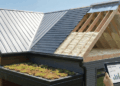
- Green Roofs: Covered with vegetation, green roofs improve insulation, reduce energy consumption, and create a natural habitat for wildlife.
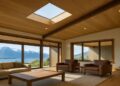
- Passive Design: Incorporating features such as large windows for natural light, strategic shading, and cross ventilation, passive design helps reduce energy usage and enhance comfort.
Comparing the environmental impact of traditional materials to sustainable materials used in luxury green buildings, it is evident that sustainable materials have a significantly lower carbon footprint and contribute to a healthier and more sustainable environment. By choosing sustainable materials and incorporating innovative design elements, luxury green buildings in the USA set a new standard for eco-conscious living without compromising on luxury and style.
Energy Efficiency and Renewable Energy Sources
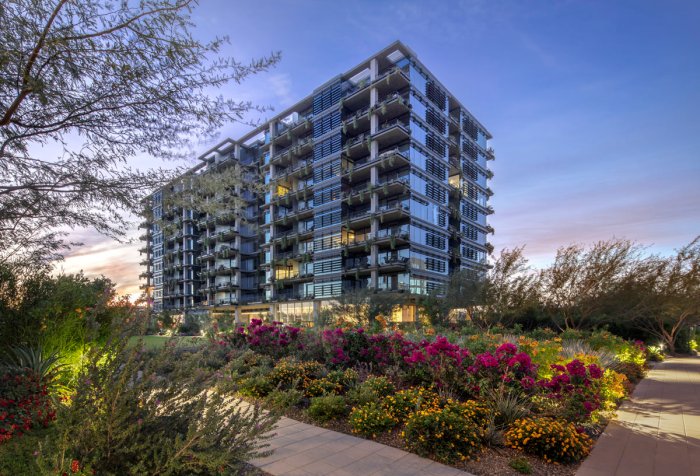
Energy efficiency and the use of renewable energy sources play a crucial role in luxury green buildings, ensuring sustainability and reducing environmental impact.
Energy-Efficient Technologies
- LED lighting systems: LED lights consume less energy and have a longer lifespan compared to traditional lighting.
- Energy-efficient HVAC systems: High-performance heating, ventilation, and air conditioning systems help regulate indoor temperatures efficiently.
- Smart thermostats: These devices optimize energy usage by adjusting temperatures based on occupancy and preferences.
Renewable Energy Sources
- Solar panels: Solar energy is harnessed to generate electricity, reducing reliance on the grid and decreasing utility costs.
- Geothermal heating and cooling: Utilizing the earth's natural heat to regulate indoor temperatures, reducing the need for conventional heating and cooling systems.
- Wind turbines: Some luxury green buildings incorporate wind turbines to generate clean energy on-site.
Luxury Aspect of Energy Efficiency
Integration of energy-efficient technologies and renewable energy sources not only reduces carbon footprint but also enhances the luxury aspect of green buildings. For example, smart home automation systems that optimize energy usage while providing convenience and comfort to residents.
Certification and Standards
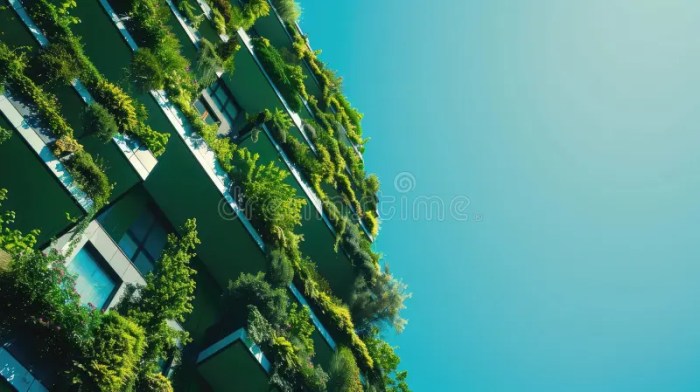
When it comes to luxury green buildings in the USA, certification and standards play a crucial role in recognizing and validating their sustainability efforts.
LEED Certification
The Leadership in Energy and Environmental Design (LEED) certification is one of the most widely recognized green building rating systems globally. It assesses various aspects like energy efficiency, water conservation, and indoor air quality to determine a building's environmental impact.
Green Globes Certification
Green Globes is another certification program that focuses on sustainable building design and operation. It provides a more flexible and affordable alternative to LEED, allowing buildings to achieve different levels of certification based on their green features.
ENERGY STAR Certification
The ENERGY STAR certification is specifically for energy efficiency and is awarded to buildings that meet strict energy performance standards. It helps building owners reduce energy consumption, save money on utility bills, and contribute to environmental protection.
Importance of Certification
Obtaining certifications like LEED, Green Globes, or ENERGY STAR is essential for luxury green buildings in the USA as it not only validates their sustainability claims but also enhances their market value. These certifications showcase a commitment to environmental responsibility and help attract environmentally conscious tenants or buyers.
Cost and Return on Investment
Luxury green buildings in the USA often come with higher initial construction costs compared to traditional buildings. The use of sustainable materials, energy-efficient systems, and green technologies can increase the upfront investment required for construction.However, the long-term benefits and savings associated with luxury green buildings can easily justify the higher initial costs.
These buildings are designed to be energy-efficient, reducing utility expenses significantly over time. For example, features like advanced insulation, efficient HVAC systems, and renewable energy sources can lower electricity and heating costs.Moreover, luxury green buildings are known to have a positive impact on property value.
With the increasing demand for sustainable and eco-friendly properties, these buildings are often perceived as more valuable in the real estate market. Buyers are willing to pay a premium for green features that offer lower operating costs and environmental sustainability.
Increasing Demand for Luxury Green Buildings
Luxury green buildings are becoming increasingly popular in the USA due to growing awareness of environmental issues and the desire for sustainable living. This demand is driving developers and builders to invest in eco-friendly construction practices and technologies. As a result, the market for luxury green buildings is expected to continue growing, providing a promising return on investment for stakeholders.
Wrap-Up
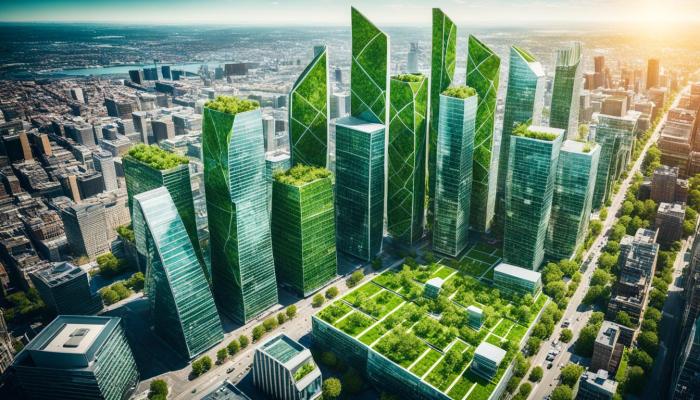
In conclusion, luxury green buildings in the USA represent a harmonious blend of opulence and eco-friendliness. By prioritizing sustainability without compromising on comfort and style, these architectural marvels pave the way for a greener future in the realm of real estate.
FAQ
What are some common sustainable materials used in luxury green buildings?
Sustainable materials like bamboo, reclaimed wood, and recycled glass are frequently utilized in luxury green buildings for their eco-friendly properties.
How do renewable energy sources contribute to the energy efficiency of luxury green buildings?
Renewable energy sources such as solar panels and geothermal heating help reduce reliance on traditional energy sources, making luxury green buildings more energy-efficient and environmentally friendly.
What are some notable green building certifications in the USA?
Popular green building certifications in the USA include LEED, Green Globes, and ENERGY STAR, which recognize buildings that meet specific sustainability criteria.
How do the long-term benefits of luxury green buildings justify the initial investment costs?
Although constructing luxury green buildings may involve higher initial costs, the long-term benefits such as reduced energy expenses and increased property value make it a worthwhile investment in the sustainable future.