
Embarking on the journey of skylight integration on a budget, this article dives into the realm of cost-effective methods to illuminate your spaces. From DIY installations to optimal materials, discover how to bring natural light into your home without breaking the bank.
Skylight Integration Methods
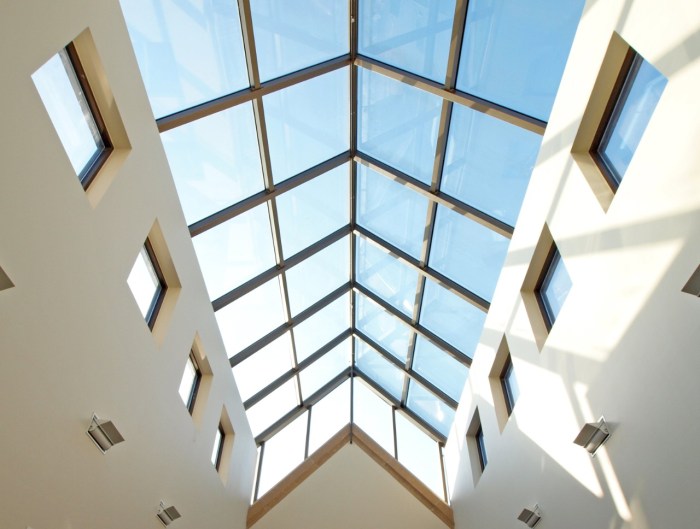
Integrating skylights on a budget can be a cost-effective way to bring natural light into interior spaces while also reducing energy costs. There are various methods to achieve this, each with its own benefits and considerations.
Types of Skylight Integration Techniques
- Tube Skylights: Tube skylights are a budget-friendly option that can be easily installed in small spaces, such as bathrooms or closets. They capture sunlight through a rooftop dome and reflect it down a tube to a diffuser in the ceiling, providing natural light without the need for major structural changes.
- Solar Tubes: Solar tubes, also known as sun tunnels, are another affordable option for bringing natural light into dark areas of a building. These tubes are typically made of reflective material that directs sunlight into a diffuser, dispersing light evenly throughout the room.
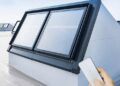
- Fixed Skylights: Fixed skylights are a popular choice for budget-friendly skylight integration. They are stationary and do not open, making them a more affordable option compared to operable skylights. Fixed skylights can be installed in various areas of a building to bring in natural light and create a sense of openness.
Benefits of Skylight Integration
Integrating skylights in different areas of a building can offer numerous benefits beyond just cost savings. Some of the advantages include:
- Increased Natural Light: Skylights allow natural light to enter interior spaces, reducing the need for artificial lighting and creating a brighter, more inviting atmosphere.
- Energy Efficiency: By harnessing natural light, skylights can help lower energy costs associated with lighting and heating, especially in areas with limited access to sunlight.
- Improved Ventilation: Operable skylights can also serve as a means of ventilation, allowing fresh air to circulate and improving indoor air quality.
- Enhanced Aesthetics: Skylights can add a unique architectural element to a building, enhancing its overall design and increasing property value.
Cost-Saving Skylight Materials
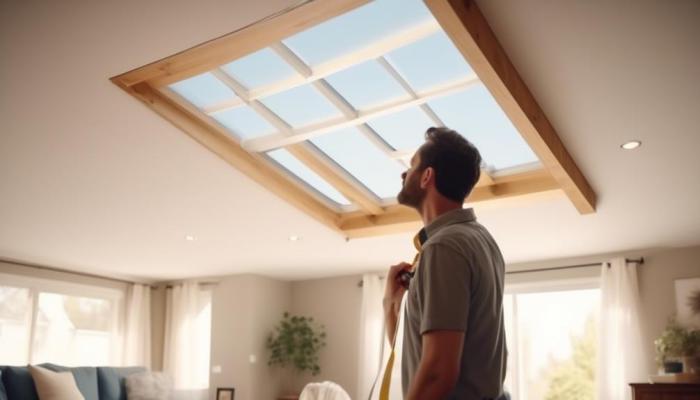
When looking to integrate skylights on a budget, it is essential to consider cost-saving materials that offer both durability and efficiency. By selecting the right materials, you can achieve the desired aesthetic and functionality without breaking the bank.
Polycarbonate Sheets
Polycarbonate sheets are a popular choice for budget-friendly skylights due to their affordability and durability. These sheets are lightweight, impact-resistant, and provide good insulation, making them an efficient option for skylight installations. Additionally, polycarbonate sheets come in various thicknesses and colors, allowing for customization to suit different design preferences.
Acrylic Panels
Acrylic panels are another cost-effective material commonly used for skylights. These panels offer high light transmission, UV resistance, and excellent clarity, making them ideal for maximizing natural light indoors. Acrylic panels are lightweight, easy to install, and relatively low maintenance, providing a practical and budget-friendly option for skylight construction.
Glass Alternatives
For those seeking a more traditional look, glass alternatives such as tempered glass or laminated glass can be a cost-saving option for skylights. While glass may be slightly more expensive than polycarbonate or acrylic, it offers superior clarity, scratch resistance, and longevity.
By choosing the right type of glass, you can achieve a balance between cost and effectiveness for your skylight project.
DIY vs. Professional Installation
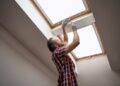
When it comes to skylight installation, one of the first decisions to make is whether to tackle the project yourself or hire professionals. Both DIY and professional installation have their own set of pros and cons, particularly when it comes to cost savings.
Let's delve into the details to help you make an informed choice.
DIY Skylight Installation Pros and Cons
- Pros of DIY Installation:
- Cost Savings: One of the biggest advantages of DIY installation is the potential to save money on labor costs.
- Personal Satisfaction: Completing a DIY project successfully can be incredibly rewarding and give you a sense of accomplishment.
- Cons of DIY Installation:
- Complexity: Skylight installation can be a complex task that requires specific skills and knowledge. Mistakes can lead to leaks or other issues.
- Time-Consuming: DIY installation can take longer than professional installation, especially if you have limited experience.
Tips for Successful DIY Skylight Integration on a Budget
- Research and Planning: Make sure to research the installation process thoroughly and create a detailed plan before starting.
- Use Quality Materials: Invest in high-quality materials to ensure the longevity and performance of your skylight.
- Follow Instructions Carefully: Adhere to the manufacturer's instructions closely to avoid errors during installation.
- Seek Help When Needed: Don't hesitate to ask for assistance from friends or family members if certain steps require more than one person.
Cost Comparison: DIY vs. Professional Installation
- DIY Installation:
- Costs include materials, tools, and potentially some specialized equipment rental.
- Labour costs are saved, but mistakes may incur additional expenses for corrections.
- Total cost varies depending on the size and complexity of the skylight project.
- Professional Installation:
- Costs typically include materials, labor, and any additional services provided by the professionals.
- Professional installation ensures expertise and guarantees on the work done.
- Total cost is usually higher upfront but may save money in the long run by avoiding potential mistakes.
Maintenance and Long-Term Cost Considerations
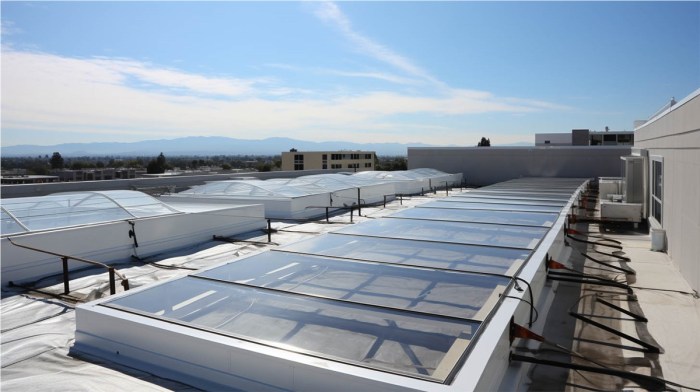
Proper maintenance of skylights is essential to ensure affordability in the long run. By taking care of your skylights, you can extend their lifespan and reduce overall costs associated with repairs or replacements.
Regular Cleaning and Inspection
- Regularly clean the glass of the skylight to prevent dirt and debris buildup, which can lead to damage over time.
- Inspect the seals and flashing around the skylight for any signs of wear or damage that may cause leaks.
- Check for any condensation or water accumulation, as this could indicate a potential issue with the skylight's performance.
Sealing and Weatherproofing
- Ensure that the seals around the skylight are properly maintained and resealed if necessary to prevent water infiltration.
- Consider applying weatherproofing treatments to the skylight frame to protect it from harsh weather conditions.
- Address any small cracks or gaps promptly to prevent them from expanding and causing more significant damage.
Trimming Trees and Overhanging Branches
- Keep trees and branches trimmed to prevent them from rubbing against the skylight or causing damage during storms.
- Remove any debris or leaves that may accumulate on the skylight to avoid blockages and potential leaks.
- Regularly inspect the area around the skylight for any signs of damage caused by overhanging branches.
Wrap-Up
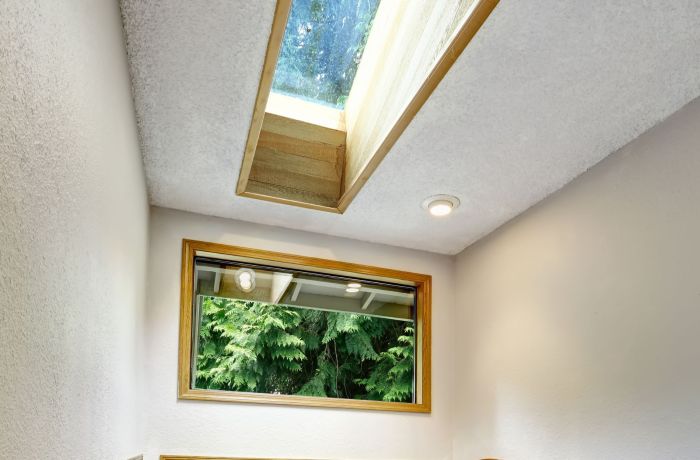
In conclusion, skylight integration on a budget offers a myriad of possibilities to brighten up your living or working areas. By exploring the right materials, installation methods, and maintenance tips, you can enjoy the benefits of natural light without straining your finances.
Question & Answer Hub
What are some cost-effective skylight integration methods?
Some cost-effective methods include using tubular skylights, installing operable skylights for ventilation, and opting for fixed skylights in areas with limited accessibility.
Which budget-friendly materials are suitable for skylight installation?
Materials like acrylic domes, polycarbonate glazing, and PVC frames are affordable options that offer durability and efficiency for skylights.
Is DIY skylight installation a good cost-saving option?
DIY installation can save costs, but it requires precision and skill. It's important to weigh the pros and cons before deciding on the installation method.
How can proper maintenance help reduce long-term costs for skylights?
Regular cleaning, checking for leaks, and inspecting for damage can prevent costly repairs in the future, extending the lifespan of your skylights.