

Common skylight installation mistakes set the stage for this informative exploration, shedding light on errors to avoid when installing skylights. From improper placement to the consequences of mistakes, this guide covers it all with a casual formal language style.
Skylights can be a beautiful addition to any home, but ensuring they are installed correctly is crucial for their functionality and longevity. Let's delve into the common errors and how to steer clear of them.
Common Skylight Installation Mistakes

Skylights are a popular addition to homes, bringing in natural light and creating a sense of openness. However, improper installation can lead to a range of issues that can be costly to fix. Let's explore some of the most common mistakes made during skylight installations and their consequences.
Improper Skylight Placement
When it comes to skylight installation, one of the most frequent mistakes is improper placement. This can occur when skylights are installed in areas that do not receive enough sunlight or are prone to leaks. For example, placing a skylight under large trees or in shaded areas can result in minimal natural light entering the space.
Consequences of Incorrect Skylight Installation
Incorrect skylight installation can lead to various problems such as leaks, poor insulation, and structural damage. For instance, if a skylight is not properly sealed or flashed, it can result in water leaks during rainy weather, causing damage to the ceiling and walls.
Additionally, skylights placed in areas with direct sunlight can lead to heat gain, increasing energy costs for cooling the space.
Skylight Size and Placement
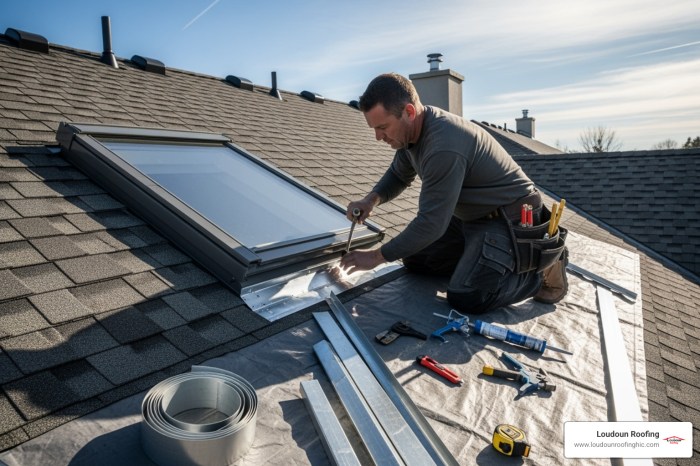
Choosing the right size and placement for skylights is crucial for ensuring optimal lighting and energy efficiency in a space. Here's a breakdown of the key considerations:
Skylight Size
- Skylights should be proportionate to the size of the room to allow for sufficient natural light without overwhelming the space.
- Consider factors such as the room's orientation, ceiling height, and the angle of the sun to determine the appropriate size for maximum daylighting.
- Consult with a professional to calculate the ideal skylight size based on the room's dimensions and lighting needs.
Skylight Placement
- For maximum efficiency, skylights should be strategically placed to capture natural light throughout the day.
- North-facing skylights provide consistent, indirect light, making them ideal for spaces that require constant illumination.
- East-facing skylights allow for bright morning light, while west-facing skylights offer warm afternoon sunlight.
- South-facing skylights provide the most light and heat but may require shading to prevent overheating in warmer climates.
Weatherproofing and Insulation
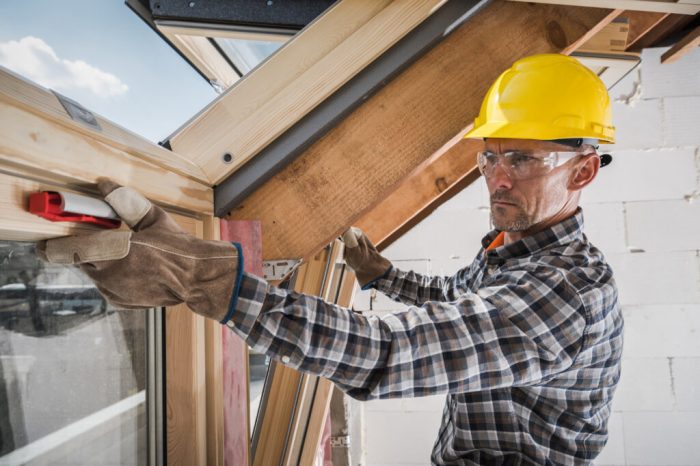
Proper weatherproofing and insulation are crucial aspects of skylight installation to ensure energy efficiency and prevent leaks and drafts in your home.When it comes to weatherproofing around skylights, it is essential to use high-quality flashing materials to create a watertight seal between the skylight and the roof.
This helps prevent moisture from seeping in and causing damage to your home's interior. Additionally, applying a sealant around the edges of the skylight can further enhance its weatherproofing capabilities.
Insulating Skylight Wells
Insulating the well around your skylight is important to prevent heat loss and maintain a comfortable indoor temperature. Here are some tips for insulating skylight wells effectively:
- Use foam insulation boards or spray foam insulation to fill in the gaps around the skylight well. This helps create a barrier against heat loss and drafts.
- Ensure that the insulation material is compatible with the skylight well material to prevent any damage or deterioration over time.
- Consider installing insulated window shades or curtains to further reduce heat loss during colder months.
Common Insulation Materials
There are several common insulation materials used in skylight installations, each with its own benefits and considerations:
- Fiberglass insulation: This is a popular choice for its affordability and effectiveness in reducing heat loss. It comes in batts or rolls and can be easily installed around the skylight well.
- Spray foam insulation: This expanding foam provides excellent coverage and seals off any gaps or cracks around the skylight well. However, professional installation is recommended for best results.
- Rigid foam insulation: This type of insulation offers high R-values and is moisture-resistant, making it a durable option for skylight wells.
Roof Integrity and Structural Support
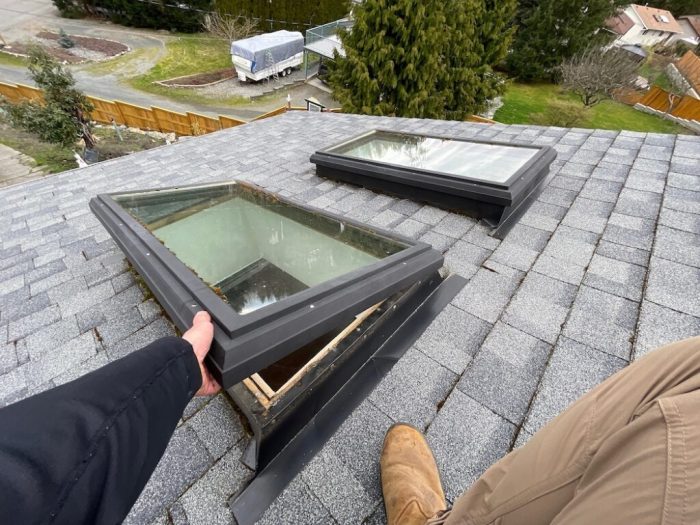
When it comes to skylight installations, one crucial aspect that often gets overlooked is the impact on the integrity of the roof. Skylights can have a significant effect on the structural support of a roof, making it essential to ensure proper support for these installations.
Ensuring adequate structural support for skylights is crucial to prevent any potential damage to the roof over time. Without proper support, skylights can lead to structural issues that may compromise the overall integrity of the roof.
Impact of Skylight Installations on Roof Leaks
- Improper installation of skylights can create weak points in the roof, leading to potential leaks during heavy rain or snow.
- Skylights that are not properly sealed or secured can allow water to seep through, causing damage to the roof structure and interior of the building.
- Over time, roof leaks caused by skylights can result in mold growth, rotting of wooden structures, and even compromise the structural integrity of the entire roof.
Final Conclusion

In conclusion, understanding the pitfalls of skylight installation mistakes can help homeowners make informed decisions and avoid costly errors. By following the guidelines Artikeld in this discussion, you can ensure a successful and efficient skylight installation for your space.
FAQ Explained
What are some common mistakes to avoid during skylight installations?
Some common mistakes include improper placement, inadequate weatherproofing, and lack of structural support.
How important is skylight size and placement?
Choosing the right size and optimal placement of skylights is crucial for maximizing natural light and energy efficiency in a space.
What materials are commonly used for insulating skylight wells?
Common insulation materials for skylight wells include foam boards, spray foam, and reflective insulation.