
Dive into the world of smart skylight systems as we explore the differences and benefits of various options available. From fixed to adjustable systems, manual to automated controls, and solar-powered to electric-powered options, this guide provides a detailed comparison to help you make an informed decision.
Learn about the key components, installation process, maintenance requirements, and the impact on energy efficiency and indoor lighting and ventilation. Get ready to shed light on the best smart skylight system for your needs.
Overview of Smart Skylight Systems
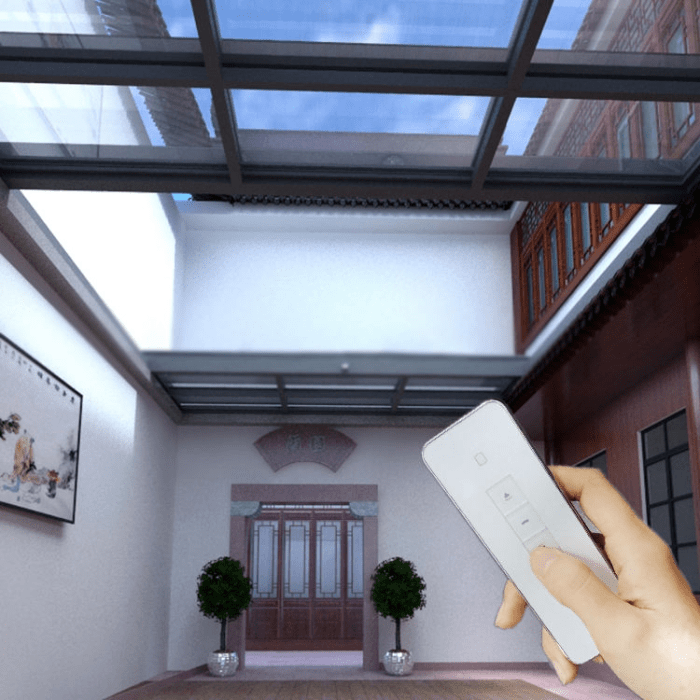
Smart skylight systems are innovative solutions that integrate technology to enhance the functionality and efficiency of traditional skylights. These systems are designed to provide automated control over natural light, ventilation, and shading, offering users greater convenience and energy savings.
How Smart Skylight Systems Work
Smart skylight systems utilize sensors and smart controllers to monitor environmental conditions both inside and outside the building. These sensors measure factors like light intensity, temperature, and humidity, allowing the system to automatically adjust the skylight position, blinds, or shades to optimize natural lighting and ventilation.
Key Components of a Smart Skylight System
- Sensors: Smart skylight systems are equipped with sensors to gather data on various environmental factors, ensuring precise control and optimization.
- Smart Controllers: These devices process the data collected by sensors and execute commands to adjust the skylight, blinds, or shades accordingly.
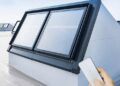
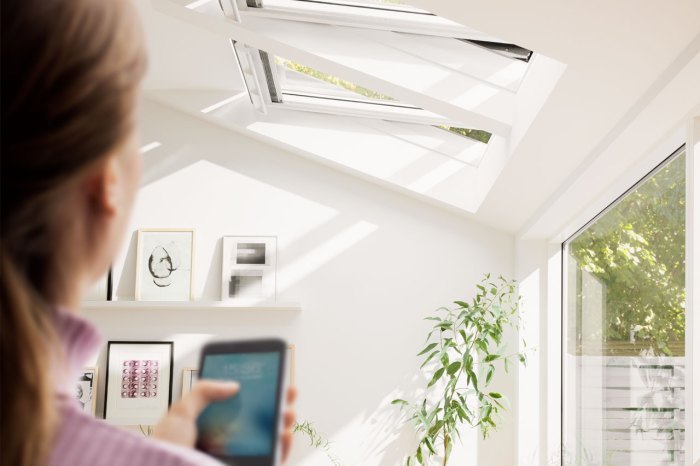
- Motorized Mechanisms: Smart skylights feature motorized mechanisms that enable remote and automated operation, allowing users to control the system from their smartphones or other smart devices.
- Integration with Smart Home Systems: Many smart skylight systems can be integrated with existing smart home platforms, enabling seamless automation and customization based on user preferences.
Types of Smart Skylight Systems
Smart skylight systems come in various types, each offering different features and benefits to suit different needs and preferences. Let's explore the differences between fixed and adjustable systems, manual and automated systems, as well as solar-powered and electric-powered systems.
Fixed vs. Adjustable Smart Skylight Systems
Fixed smart skylight systems are stationary and cannot be adjusted to control the amount of light or ventilation entering a room. On the other hand, adjustable smart skylight systems can be opened or closed to regulate light levels and airflow.
Adjustable systems offer more flexibility in controlling the indoor environment compared to fixed systems.
Manual vs. Automated Smart Skylight Systems
Manual smart skylight systems require physical intervention to open or close the skylight, while automated systems can be controlled remotely or programmed to operate automatically based on preset preferences or environmental conditions. Automated systems offer convenience and can be integrated with smart home systems for seamless operation.
Solar-Powered vs. Electric-Powered Smart Skylight Systems
Solar-powered smart skylight systems harness energy from the sun to operate, making them energy-efficient and environmentally friendly. On the other hand, electric-powered systems rely on electricity from the grid to function. Solar-powered systems are ideal for sustainable living and can help reduce energy costs in the long run.
Benefits of Smart Skylight Systems
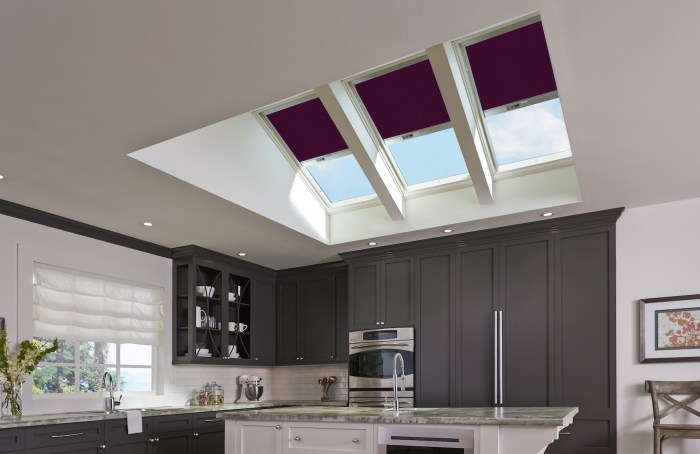
Installing smart skylight systems comes with a host of advantages that go beyond just adding natural light to a space. These modern systems offer a range of benefits that contribute to energy efficiency, indoor comfort, and overall well-being.
Energy Efficiency
- Smart skylight systems help reduce the reliance on artificial lighting during the day, saving energy and lowering electricity costs.
- By harnessing natural sunlight, these systems can help regulate indoor temperatures, reducing the need for heating and cooling systems.
- Some smart skylights are equipped with sensors that adjust light levels based on natural sunlight, optimizing energy consumption.
Indoor Lighting and Ventilation
- Smart skylight systems enhance the quality of indoor lighting by providing a natural, even source of light that can improve mood and productivity.
- They can also contribute to better ventilation by allowing fresh air to circulate through the space, creating a healthier environment.
- With features like automated blinds and rain sensors, smart skylights offer convenience and peace of mind for homeowners.
Installation and Maintenance
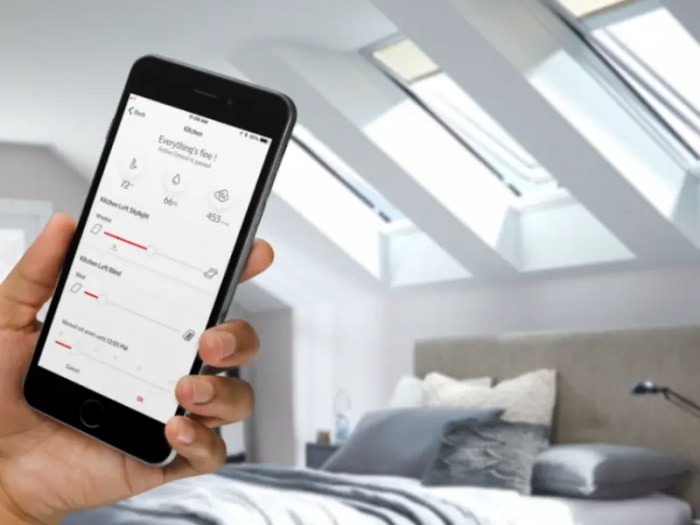
Installing a smart skylight system can enhance the functionality and energy efficiency of your home. Here is a step-by-step guide on how to install a smart skylight system and the maintenance requirements to keep it running smoothly.
Installation of Smart Skylight System
- Choose the location: Select the ideal spot on your ceiling where the skylight will be installed, ensuring it receives maximum sunlight.
- Cut an opening: Follow the manufacturer's instructions to cut an opening in the ceiling to accommodate the skylight.
- Install the skylight: Securely mount the skylight into the opening and seal it properly to prevent leaks.
- Connect to power source: If your smart skylight system is motorized or has electronic features, connect it to a power source following the provided guidelines.
- Set up the controls: Program the smart features of the skylight, such as automatic opening and closing or light adjustment, according to your preferences.
Maintenance of Smart Skylight System
- Clean regularly: Keep the skylight clean from dirt, dust, and debris to ensure optimal light transmission.
- Inspect for leaks: Check for any signs of leaks or water damage around the skylight regularly to address any issues promptly.
- Test the smart features: Periodically test the smart functions of the skylight to ensure they are working correctly and make any adjustments if needed.
Comparison of Installation Costs
When it comes to the installation costs of different types of smart skylight systems, it can vary based on factors like the size of the skylight, additional features, and complexity of installation. Here is a general comparison:
Motorized skylights may be more expensive to install due to the electrical work required, while solar-powered skylights can be cost-effective in terms of energy savings in the long run.
Closure
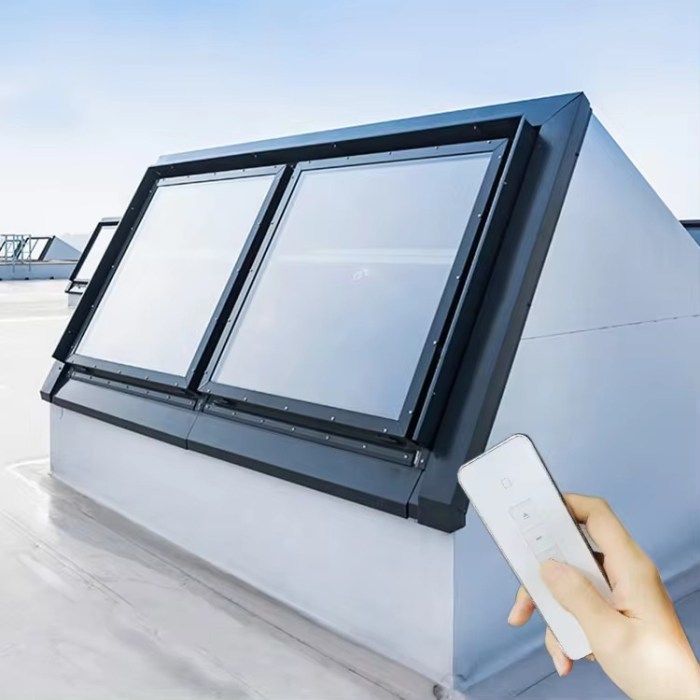
In conclusion, smart skylight systems offer a range of benefits from energy efficiency to improved indoor lighting and ventilation. By understanding the differences between various types of systems and their installation and maintenance requirements, you can make a smart choice for your space.
Explore the world of smart skylight systems today and brighten up your environment in more ways than one.
Questions Often Asked
What are the key components of a smart skylight system?
The key components include sensors, control panels, motors, and the actual skylight itself.
How do smart skylight systems contribute to energy efficiency?
Smart skylight systems can regulate natural light and ventilation, reducing the need for artificial lighting and HVAC systems, thus saving energy.
What is the difference between fixed and adjustable smart skylight systems?
Fixed systems have a stationary position, while adjustable systems can be opened or closed to control light and airflow.